







Search Results for: Love Before the Common Era Café
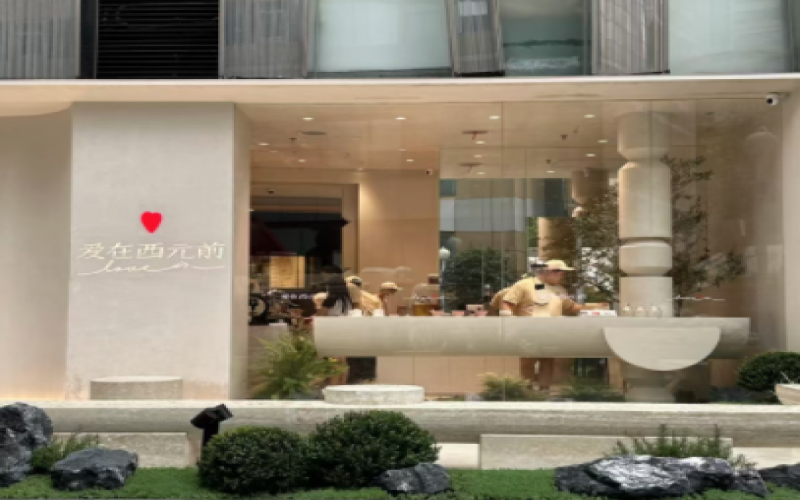
During Jay Chou's Nanjing concert, the "Love Before the Common Era" themed coffee shop opened simultaneously at Xinjiekou Golden Eagle.
Jay Chou's 2024 Carnival concert tour Nanjing stop will be held from September 26 to 29 at Nanjing Olympic Sports Center Stadium, with four consecutive days of performances expected to attract 120,000 spectators. At the same time, a Jay Chou-themed coffee shop called "Love in Coffee" has officially opened at Nanjing Xinjiekou Golden Eagle, making its debut alongside the concert. This coffee shop focuses on estate-grade coffee beans and Michelin three-star desserts, with an interior design infused with the poetic fantasy of "Love in Coffee," where greenery and stone intertwine, and mirrored light and shadow create a dreamy atmosphere. Many product names are taken from Jay Chou's classic songs, allowing fans to taste "lyric" drinks while listening to their idol's music. The first Beijing Sanlitun store had previously attracted a large number of fans to check in, and the operator, Star Plus, has close ties with Jay Chou. This article takes you through the features, prices, and fan experience of this celebrity coffee shop. [more…]
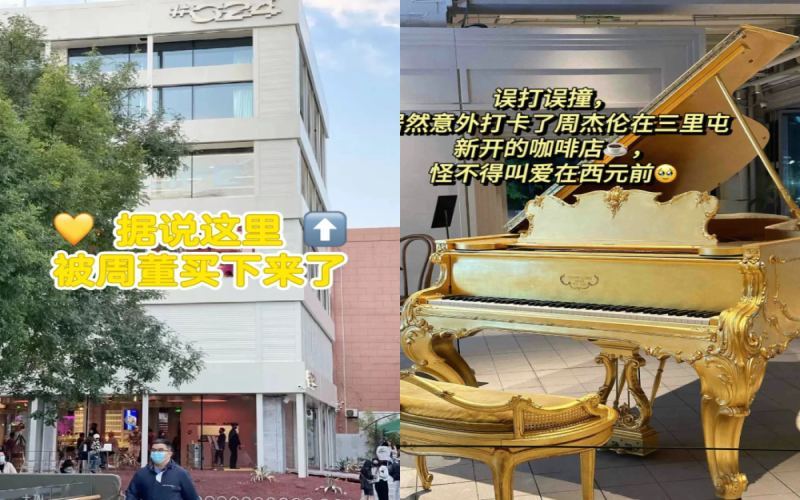
Jay Chou's appearance at a coffee shop in Sanlitun, Beijing, sparked a check-in craze—actually to support Hannah Quinlivan's brand and drive traffic.
Recently, social media has been buzzing with rumors that Jay Chou opened a coffee shop called "Love Before the Common Era" in Sanlitun, Beijing, attracting a large number of fans to visit. However, upon verification, the shop was not opened by Jay Chou himself, but is part of a star IP incubation base created by the company Juxing Chuanqi. Jay Chou only made an appearance in the form of a check-in to support his wife Hannah Quinlivan's clothing pop-up store. Despite the truth, fans' enthusiasm remains high, and during the Dragon Boat Festival holiday, they flocked to check in at the same photo spots. This coffee shop has friendly pricing, with Americano at only 18 yuan, which is quite conscientious in Beijing's coffee scene. Whether this small shop leveraging Jay Chou's traffic can establish a foothold in Sanlitun remains to be seen. [more…]
Monks Also Love Pour-Over Coffee: Ancient Temples Across Asia Open Cafés, Monks Buy Green Beans to Roast and Brew Themselves
Famous mountains and ancient temples have long been known for tea, but in recent years monks at temples in many parts of Asia have begun to take a keen interest in coffee, and cafes have quietly appeared within temple grounds. From the Starbucks at Zenko-ji in Japan, to the vegetarian coffee at Yongfu Temple in Hangzhou and Longhua Temple in Shanghai, to Korean monks who buy green beans themselves, purchase roasters, and personally brew coffee to serve visitors, coffee is gradually becoming part of temple life. This article introduces this intriguing phenomenon of traditional culture blending with an imported beverage, and explores the cultural significance behind temple coffee. At the end, it also includes netizens' profound comments on the changing role of temples. [more…]
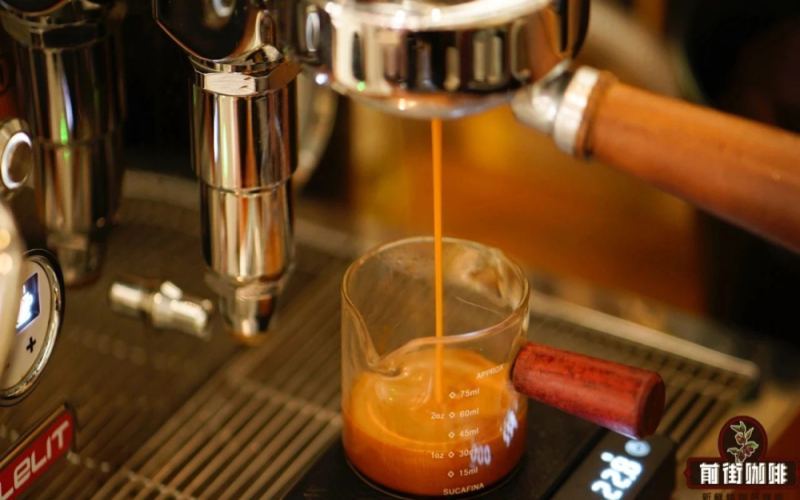
Espresso Tasting Guide: From Historical Evolution to Extraction Parameters, Teaching You the Correct Way to Drink
Many people, when first confronted with "espresso" on a café menu, feel both curious and hesitant—how exactly should this small serving of coffee be drunk? Should you knock it back in one gulp or savor it slowly? In fact, tasting espresso (Espresso) follows a set of refined methods. Starting from the daily offerings at Front Street Coffee (FrontStreet Coffee), this article guides you through the evolutionary history of the espresso machine, the principles of extraction, the correct way to drink it, and key production parameters such as dose, grind size, and pressure. Whether you want to understand "is espresso just Italian-style concentrated coffee," or want to learn to taste this concentrated essence like a barista, this article will give you clear answers. [more…]
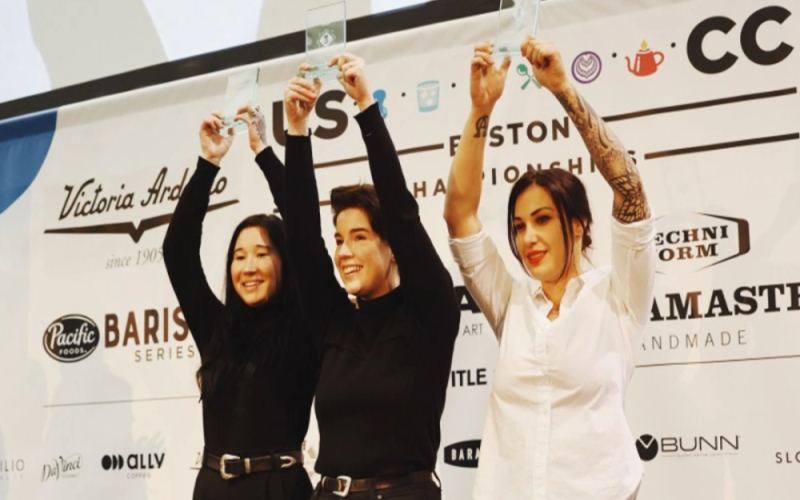
From a 7-Million-Follower Blogger to US Barista Champion: How Morgan Eckroth Redefines the Meaning of Competition
At the recently concluded United States Barista Championship, Morgan Eckroth from Portland, Oregon, took the crown. Unlike most competitors, she was already a coffee influencer with over 7 million followers before the competition, and she made her entire preparation and competition process public through vlogs and livestreams. Taking the home coffee community that emerged after the pandemic as her theme, she shared her recipes and approach in advance, advocating that coffee should be delicious, replicable, transformative, and easy to make at home. This article will walk you through her competition journey, bean selection strategy, and creative recipes, and use them to explore the bottlenecks facing the Barista Championship and the shift in coffee consumption patterns in the post-pandemic era. [more…]
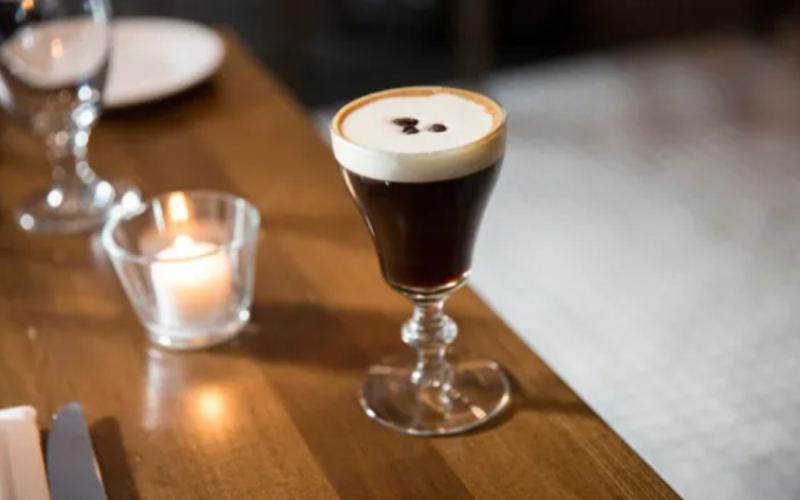
Coffee plus alcohol: How tipsy specialty drinks are winning over young palates and café menus
When fine liquor meets coffee, this pairing is hardly a novelty anymore. From the classic Irish coffee to the espresso martini, the combination of coffee and alcohol keeps evolving. Today, as the younger generation seeks the pleasure of a gentle buzz, liquor-infused coffee has quietly become a signature offering in cafés. This article walks you through the history of liquor-infused coffee, the challenges of making it, techniques for balancing flavors, and why it draws so many customers even during the daytime. At the same time, we'll also mention Front Street Coffee's commitment to specialty beans, providing a more professional coffee foundation for your tipsy experience. [more…]

How Much Is a Barista Certification Really Worth? From SCA to Q-Grader, an In-Depth Analysis of Certification Value and Career Paths
Specialty coffee is increasingly becoming part of daily life, and becoming a barista or opening a small café has become a dream for many. In an era when everyone can do pour-over, getting certified seems to have become the preferred path to stand out. But is a barista certificate really worth it? Behind the high training fees, can the course content truly improve oneself? This article examines the actual usefulness of certification, the necessity of certification before applying for jobs or starting a business, the internationally authoritative certification systems (SCA, Q-Grader), and the reform of domestic vocational qualifications, sorting through the value and applicable scenarios of barista certificates one by one. Whether you are a newcomer just entering the industry or an aspiring owner preparing to open a shop, you can find rational reference here. At the end of the article, Front Street Coffee's contact information is also included for further discussion. [more…]

Is Turkish coffee fortune-telling really accurate? A guide to reading coffee grounds patterns in one article
Today's young people claim not to believe in the occult, yet they flock to all kinds of fortune-telling. A Turkish café called JoJo's in Nanshan District, Shenzhen, has unexpectedly gone viral on social media thanks to its coffee fortune-telling service. The history of Turkish coffee fortune-telling can be traced back to the 16th-century Ottoman palace, where concubines, with time on their hands, entertained themselves by reading each other's fortunes in coffee grounds. Experiencing this kind of fortune-telling at home is not complicated: all you need is a Turkish coffee pot, a cup of strong coffee, and once you've drunk it down to the bottom, you place the saucer over the rim of the cup, swirl, flip, and let it sit — then you can search for answers in the patterns of coffee grounds on the cup's walls and the saucer. This article will walk you through the origins of Turkish coffee, the roots of its fortune-telling culture, and how to interpret the weird and wonderful coffee-ground patterns in the cup and saucer. [more…]
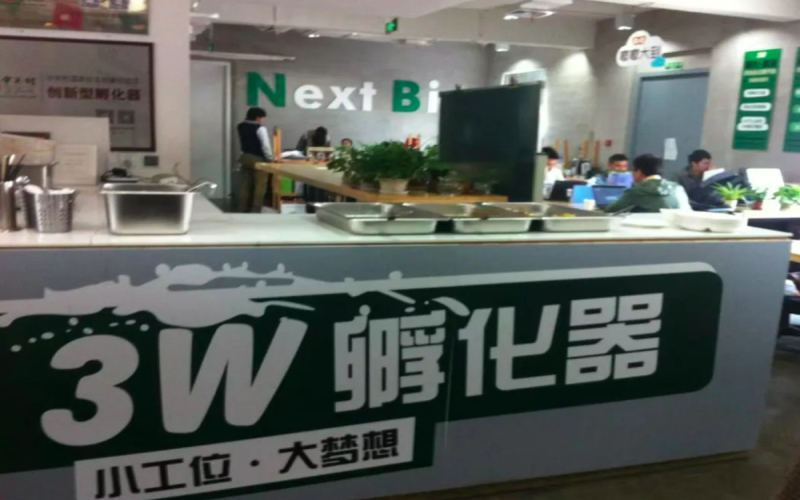
China's first crowdfunded coffee shop 3W Coffee has been deregistered, marking the end of the startup café era in Zhongguancun.
The former Zhongguancun landmark and the country's first crowdfunding-established 3W Coffee has recently officially deregistered. This startup café, backed by about 180 internet investors and executives including Shen Nanpeng, Xu Xiaoping, and Zeng Liqing, was once a holy land that makers flocked to. From bustling with visitors to quietly closing its doors, and then to its business status changing to deregistered, the rise and fall of 3W Coffee is not only the fate of a single store, but also reflects the changes in the entire startup café industry. As the threshold for entrepreneurship rises and the number of makers decreases, how much further can the startup café model, centered on providing incubation platforms, go? [more…]
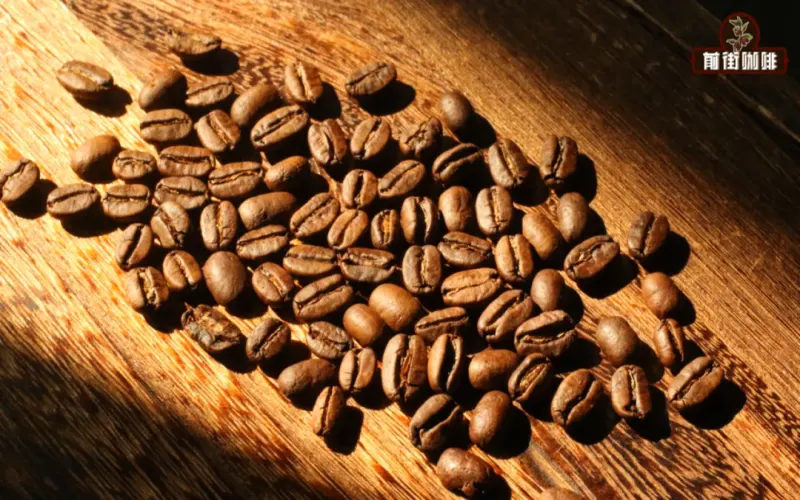
Why is Mandheling coffee often dark roasted? A flavor analysis of the world's top ten famous Mandheling coffees
Mandheling is one of the world's ten most famous coffees, but many cafés serve it with a dark roast, which leaves quite a few enthusiasts wondering: in an era when light roasts prevail, why is Mandheling so committed to dark roasting? Is light-roasted Mandheling really undrinkable? Front Street's stores have recently received such questions frequently—almost one in every twenty customers asks about it. In fact, there are two common misconceptions here—not all Mandheling is dark-roasted, and light-roasted Mandheling is by no means unpleasant. To address these doubts, Front Street specially roasted a light-roasted Mandheling to share with our store customers. This article will explore Mandheling's roasting choices, flavor characteristics, and global reputation, giving you a comprehensive understanding of this classic coffee. [more…]
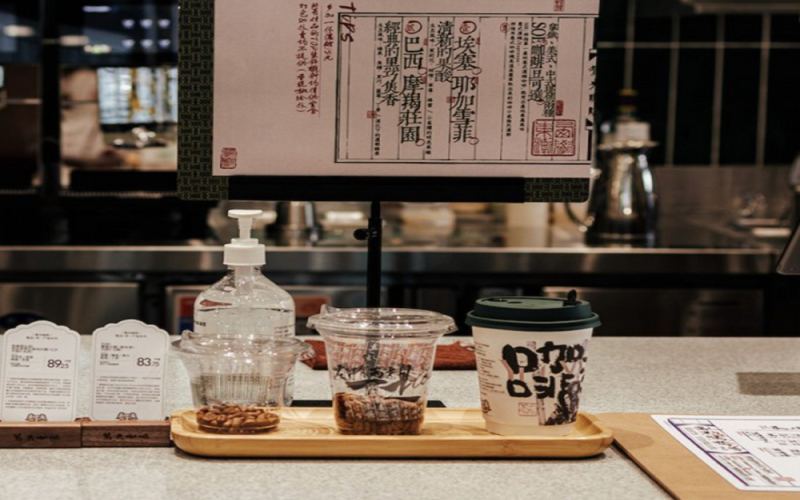
From Guochao Design to Local Flavors: How Chinese-Style Coffee Is Forging Its Own Path
In recent years, cafés featuring elements of traditional Chinese culture have been springing up one after another, and coffee, this imported product, is accelerating its path toward Sinicization. From new-style tea beverage brands跨界 opening coffee shops, to domestic local brands driving down prices to cultivate the market, to industry practitioners proposing that Chinese-style coffee should have its own mode of expression, this path is full of both opportunities and challenges. This article sorts out the evolution of coffee in China from the instant coffee era to the specialty coffee wave, and explores the current state and future of new Chinese-style coffee—innovation can attract the masses, but only professionalism, the cultivation of local bean varieties, and deep cultivation of the Yunnan production region can truly make Chinese-style coffee remembered by the world. At the end of the article, Front Street Coffee's communication channels are attached. [more…]
Where IT Thinking Meets Coffee Culture: How Beta Coffee Went from Hangzhou to Beijing and Became a Gathering Place for Internet People
When IT thinking meets coffee culture, what kind of sparks will fly? In 2009, Bai Ya and a group of internet professionals founded Beta Coffee in Hangzhou, positioning it as a public living room for IT people. In just over two months, it was named the "Best Gathering Place for E-commerce Professionals." In 2011, this trend swept through Beijing's Zhongguancun, and Beta Coffee's Beijing branch officially opened. Soon after, Garage Coffee, 3W Coffee, and others emerged one after another, thus beginning the "Internet Coffee Era." This is not just a place to drink coffee, but also a physical platform for IT people to communicate, share, and seek opportunities. This article takes you into the jianghu stories of Beta Coffee, to experience the unique atmosphere created by the collision of the internet and coffee. [more…]

One Cup of Coffee, Ten Hours: The Long-Stay Dilemma Behind Japan's Café Closure Wave
In an era where remote work is increasingly common, more and more people are choosing to treat cafes as their second office. For just a few hundred yen spent on a cup of coffee, they can stay in the shop for hours or even longer. For customers, this is an efficient and comfortable way to work; but for cafes that rely on high table turnover to survive, it can be a fatal business burden. Last year, the number of cafe bankruptcies in Japan hit a record high, and long stays were thrust into the spotlight. Time limits, fewer power outlets, customer dissatisfaction... operators are caught in a dilemma. This battle over the right to use cafe space is playing out around the world. [more…]
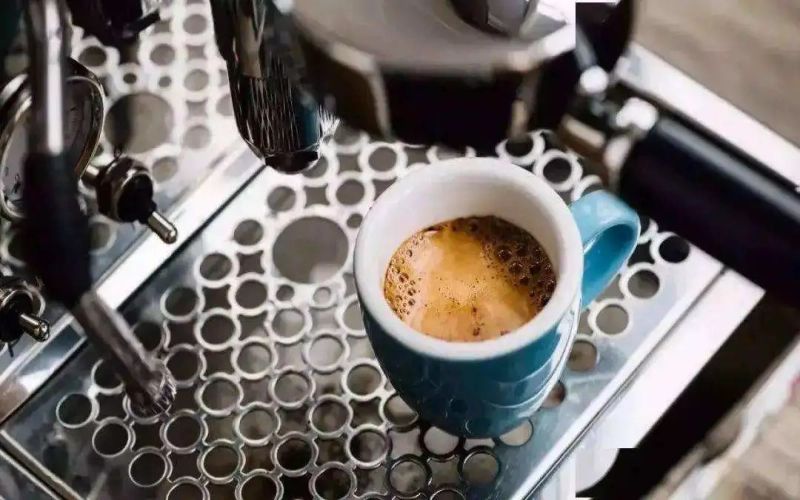
The Road to UNESCO Heritage Status for Espresso and the Century-Long Evolution of the Espresso Machine
A small cup of espresso carries Italy's profound cultural heritage and the marks of change from the industrial age. From the birth of steam-powered coffee machines at the end of the 19th century, to the iterative upgrades of spring piston and semi-automatic espresso machines in the 20th century, and then to today's globally popular café culture, espresso has gone through more than a century of development. At the same time, Italy has been working since 2016 to seek intangible cultural heritage status for espresso, and it has now finally entered UNESCO's formal review process. This article will take you through the history of the development of the espresso machine and bring you the latest progress on its heritage application. [more…]
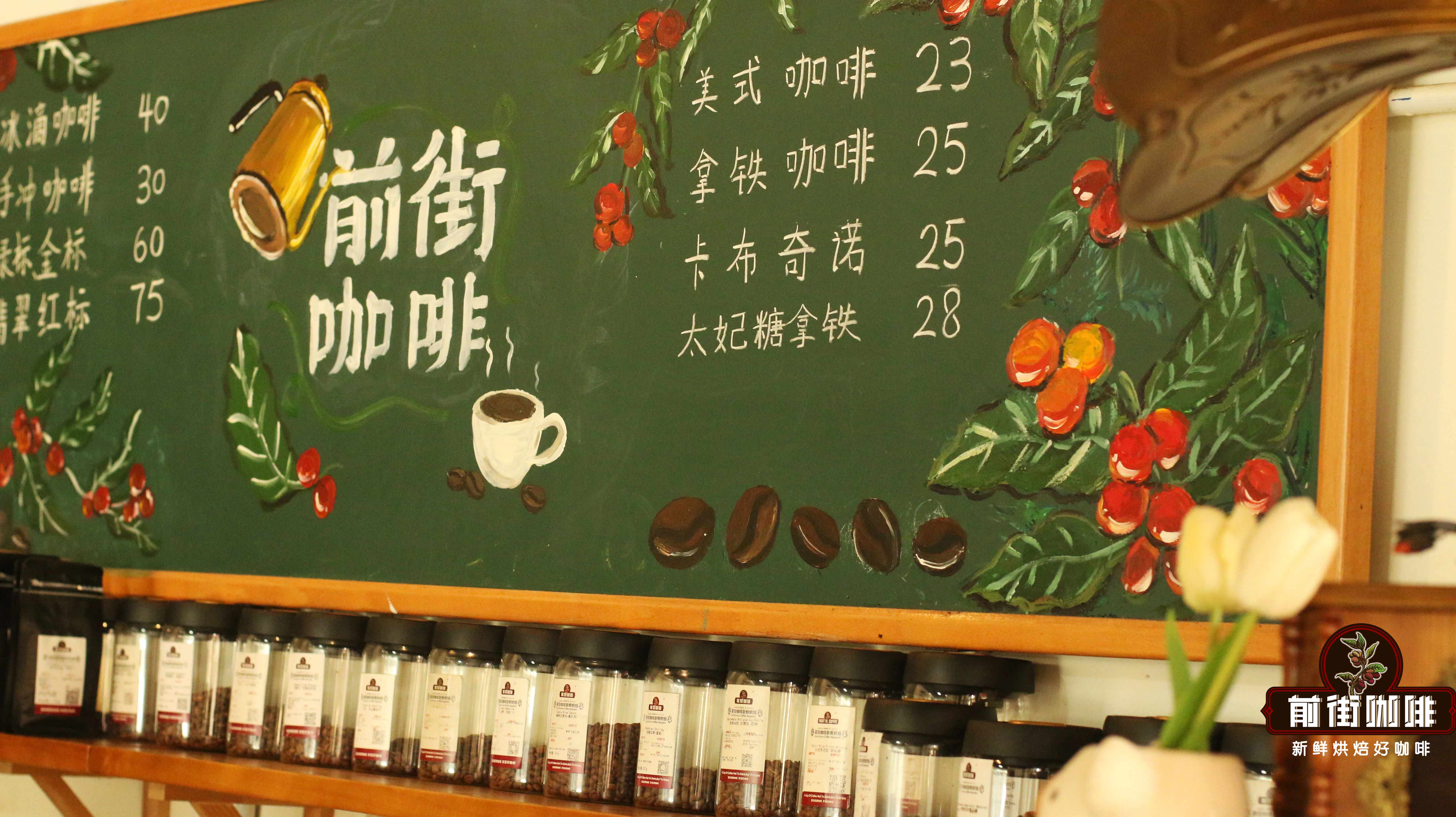
A Complete Guide to the Espresso Family: From Espresso to Flat White, the Origins and Making of Common Menu Items
Walk into any café and the espresso menu is dazzling—espresso, Americano, cappuccino, latte, mocha, macchiato, flat white, dirty coffee… Each has its own distinct flavor, and each has its own story behind it. Many people have drunk them but may not necessarily understand how they came to be, how they were named, or how they should be made. This article, from the perspective of Front Street Coffee, sorts through the origins and recipes of these common espresso drinks one by one, to help you better appreciate the finer points of each cup as you drink. [more…]
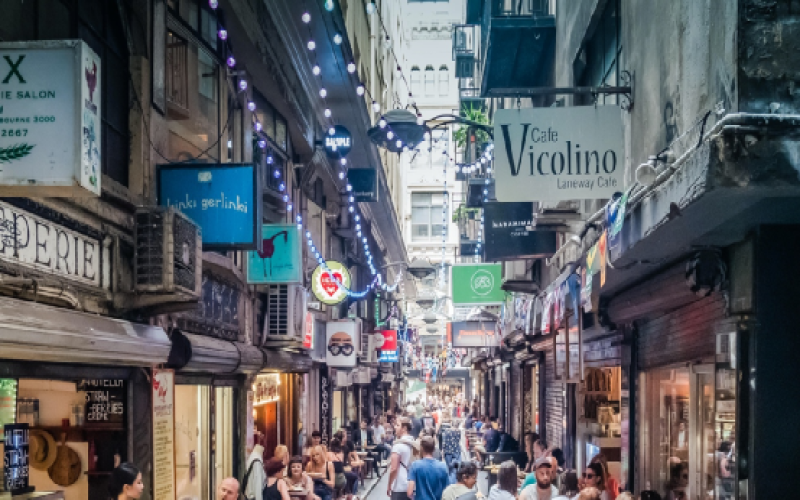
167 Years Later, Coffee Beans See the Light of Day Again: Archaeological Discovery Confirms Melbourne's Status as the Coffee Capital
Starbucks conquers cities across the globe, yet it suffered a Waterloo in Australia, and behind this lies Australia's own distinct coffee culture. Sydney and Melbourne have long vied for the title of "coffee capital," and an archaeological discovery has added strong evidence for Melbourne—archaeologists excavating a grocery store site at Melbourne's Metro Tunnel have unearthed coffee beans perfectly preserved from 167 years ago. This discovery traces Melbourne's coffee culture back to before the gold rush, rewriting our understanding of Australia's café era. This article will walk you through the details of this archaeological find, revisit the long history of Melbourne's coffee culture, and let you feel the profound global influence of Australian coffee. [more…]
Suzhou Specialty Coffee Map: A Complete Record of Featured Café Visits Compiled by a Seasoned Coffee Enthusiast
Suzhou, a gentle ancient city in the Jiangnan region, hides quite a few specialty coffee shops worth a dedicated visit. This article compiles a summary of shop visits from a veteran coffee enthusiast, covering more than seventy four- to five-star coffee shops across Gusu District, the Industrial Park, the High-Tech District, Wuzhong District, and beyond—from artsy little cafes to cat-themed coffee houses, from Korean-style chains to standalone buildings with Republican-era charm, each with its own distinctive setting, offerings, and story. Whether you're a coffee purist chasing pour-over quality or an artsy soul who favors ambiance, this list can help you find that perfect cup in Suzhou. [more…]
A Complete Guide to Common Coffee Types in Cafés: From Espresso to Cold Brew, the Differences Between Iced Americano, Latte, Piccolo, and Dirty
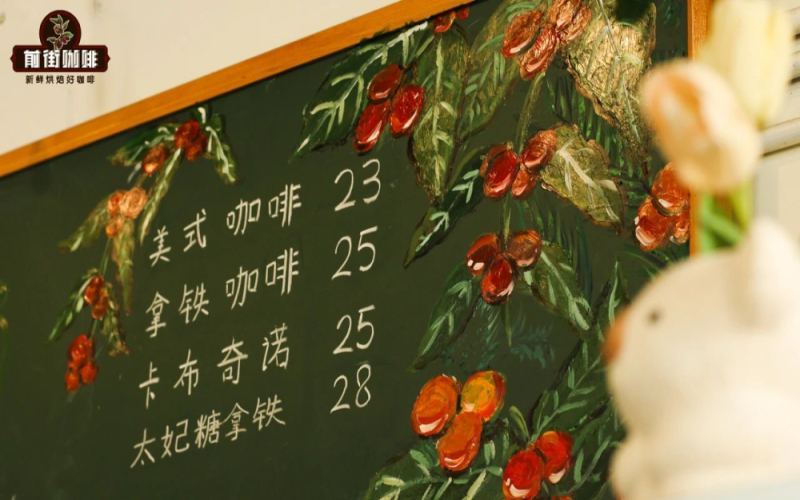
Walking into a café and facing the dazzling array of coffee names on the menu, have you ever hesitated: what exactly is the difference between an Americano, a Latte, a Dirty, and a Flat White? In fact, these common coffees can be grouped into three major camps—the espresso family, the drip coffee family, and the cold brew family. Espresso-based drinks use espresso as their foundation and, by adjusting the types and proportions of ingredients, have evolved into a rich variety including the Americano, Latte, Cappuccino, Flat White, Dirty, and Mocha; drip coffee, on the other hand, covers pour-over and cold drip, emphasizing clean, transparent layers of flavor; cold brew coffee uses immersion to deliver a full, rich mouthfeel. In this article, Front Street Coffee will guide you through the production logic, key parameters, and flavor characteristics of each category, and share application suggestions for beans such as Front Street Dark Cocoa Blend, Huakui, and Mozart, helping you easily pick the cup you love. [more…]
Chengdu Kuanzhai Alley %Arabica Coffee Shop: An Appreciation of Modern Coffee Space Design in a Western Sichuan Courtyard
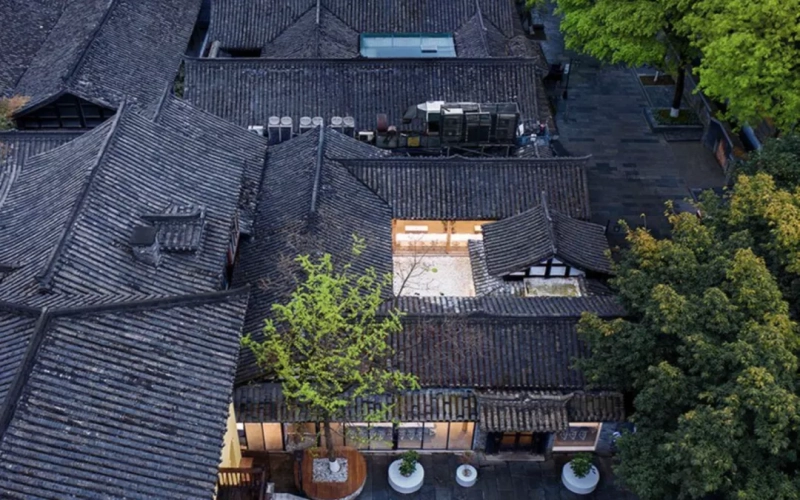
In Chengdu's Kuanzhai Alley, within a Western Sichuan courtyard house first built during the Kangxi era, %Arabica coffee shop engages in a dialogue with the ancient architecture through a minimalist modern design language. The designers retained the original wooden structure and reinforced it with steel, paving the pathways and seating areas with gray bricks, allowing the café to blend seamlessly with the blue bricks and dark tiles. In the central courtyard, stones, floor-to-ceiling glass, and water lily leaves create the imagery of a "water pool," which not only continues the traditional feng shui symbolism of gathering wealth but also reduces the actual maintenance difficulty. The pure white bar counter blends with the building's natural tones, and as guests move through the space, the spatial experience flows and shifts accordingly. This café not only serves coffee but also lets people feel the fusion of history and modernity in the tranquility of old times. At the end of the article, there is also information about Front Street Coffee's specialty beans, which is worth the attention of coffee lovers. [more…]
Does specialty coffee beans equal specialty coffee? Looking at the true standard of a good cup of coffee through Dabo Coffee
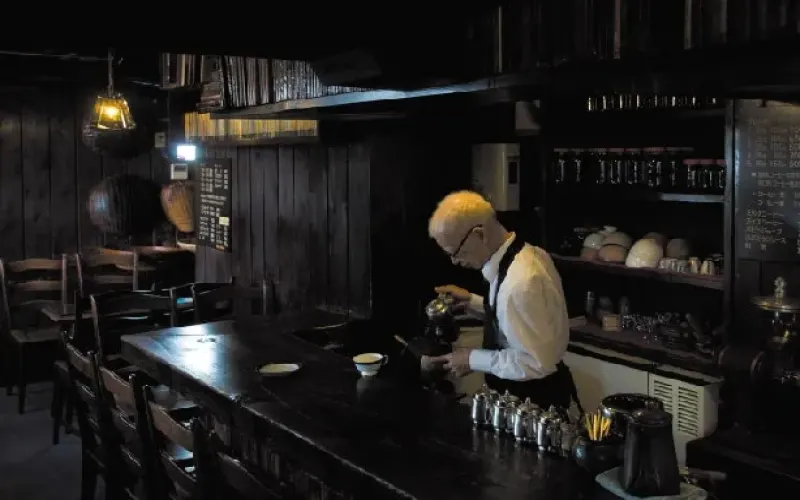
Many people directly equate specialty coffee beans with specialty coffee, believing that as long as the beans are good enough, the brewed coffee will inevitably be outstanding. Is that really true? Mr. Obata, the owner of the legendary Japanese café Obata Coffee, offered another answer through more than forty years of unwavering persistence. Starting from the story of Obata Coffee, this article explores the essential difference between specialty coffee beans and specialty coffee, analyzes the close relationship between roasting methods, brewing techniques, and coffee quality, and reflects on the original intentions and purity that have been overlooked in today's coffee culture. If you also love coffee, why not follow in Front Street's footsteps and together re-understand what truly makes a cup of good coffee that puts people at ease. [more…]